Overview
Early interceptive treatment means stepping in while a child is still growing — usually in the mixed-dentition years when baby and adult teeth are both present — to guide the jaws and bite in a healthier direction before problems become fully established. Because we’re working with a child’s natural growth rather than against it, gentle, well-timed treatment can achieve things that are much harder to correct once growth is complete.
Myofunctional treatment works alongside this by addressing the muscles and habits that shape the mouth. Habits like mouth breathing, thumb-sucking, tongue thrusting, and an incorrect tongue or lip posture can push teeth and jaws out of their ideal position. Myofunctional therapy uses simple exercises and appliances to retrain these habits, encouraging nose breathing and a correct resting posture so the mouth can develop as it should.
Together, these approaches can create space for adult teeth, improve a developing bite, correct habits, and in many cases reduce or simplify the orthodontic treatment a child needs later. We assess each child individually and only recommend early treatment when the timing and the problem genuinely call for it.
Who is it for?
- This suits growing children — typically in the mixed-dentition years — where the jaws, bite, or teeth are developing in a way that benefits from early guidance.
- It helps children with harmful oral habits such as mouth breathing, thumb- or finger-sucking, or tongue thrusting that can affect how the teeth and jaws grow.
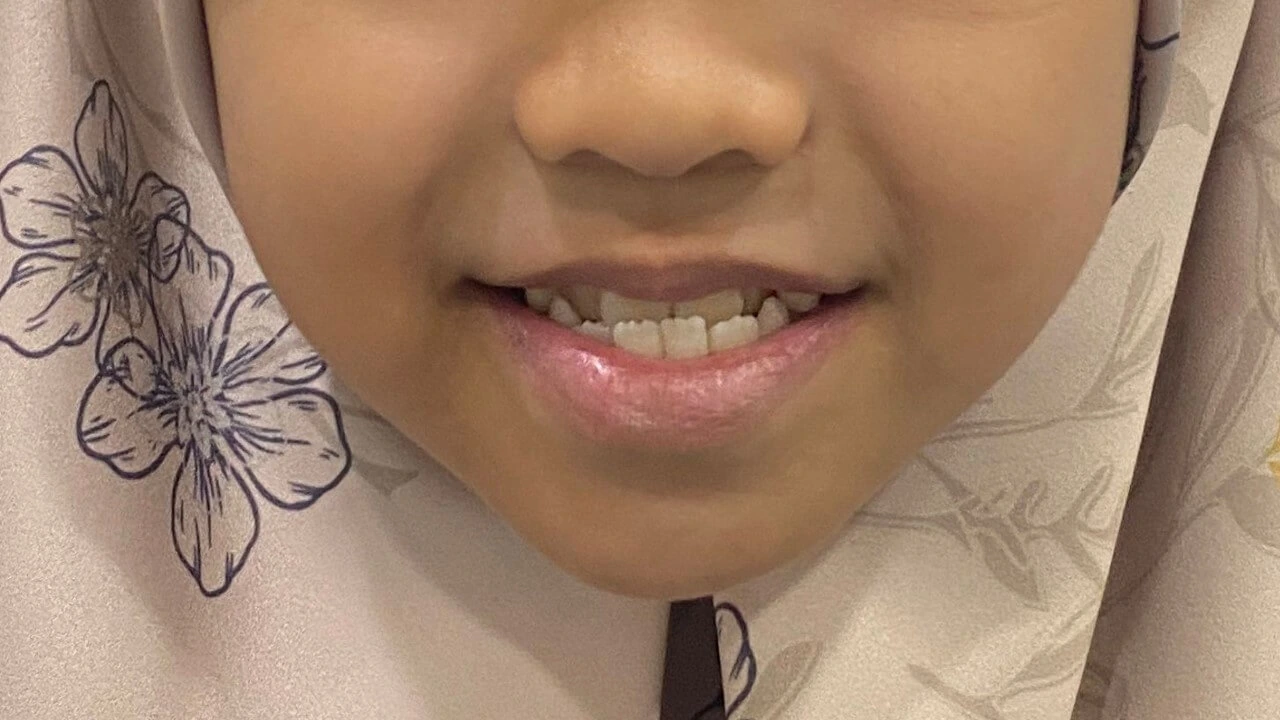
- It’s relevant for developing problems like a narrow arch, crowding, an underbite, protruding teeth, or a crossbite that are easier to influence during growth.
- It works best when timed to a child’s growth, so early assessment lets us intervene at the most effective moment — or simply monitor if treatment isn’t needed yet.
- This isn’t a self-diagnosis checklist — we examine your child and advise whether early treatment is genuinely beneficial or whether it’s better to wait and monitor.
What to expect
- 01Assessment — we examine your child’s teeth, jaws, bite, and oral habits, and look at how they’re growing to judge whether and when early treatment will help.
- 02Diagnosis & timing — we explain what we’ve found and, importantly, whether now is the right time to act or whether monitoring is the better choice.
- 03Treatment plan — where treatment is recommended, this may combine early orthodontic appliances to guide the jaws and bite with myofunctional exercises to correct habits.
- 04Habit correction — we work with your child (and you) on encouraging nose breathing, correct tongue and lip posture, and stopping habits like thumb-sucking.
- 05Review & next steps — we monitor growth and progress over time and explain whether any further orthodontic treatment is likely to be needed later.
Benefits
- Works with natural growth — guiding development early can correct problems that are harder to fix once growth is complete.
- Creates space and improves the bite — early guidance can make room for adult teeth and steer a healthier bite.
- Corrects harmful habits — myofunctional therapy retrains habits like mouth breathing and tongue thrusting that affect development.
- May simplify later treatment — timely early treatment can reduce or shorten the braces a child needs in their teens.
How early treatment fits with other children’s care
Early interceptive and myofunctional treatment often works alongside habit assessment and later orthodontics. Here’s how the pieces connect.
| Service | Addresses | Invasiveness |
|---|---|---|
| Early Interceptive & Myofunctional Treatment | Guiding jaw and bite development while a child grows | Early, growth-friendly appliances and exercises |
| Mouth Breathing | Assessing the cause and effects of habitual mouth breathing | Assessment and guidance; referral where needed |
| Metal Braces | Correcting alignment and bite once teeth are established | Fixed brackets and wires; usually later in the teens |
Frequently asked questions
What is early interceptive orthodontic treatment?
It’s treatment carried out while a child is still growing — usually when baby and adult teeth are both present — to guide the jaws and bite in a healthier direction before problems become fully established. Working with a child’s natural growth can correct things that are much harder to fix later.
What is myofunctional treatment?
Myofunctional treatment addresses the muscles and habits that shape the mouth — such as mouth breathing, thumb-sucking, and tongue thrusting. Using simple exercises and appliances, it retrains these habits to encourage nose breathing and correct tongue and lip posture, so the mouth develops as it should.
At what age should my child be assessed?
An early orthodontic assessment is often recommended around age 7, when enough adult teeth have come through to spot developing problems. That doesn’t mean treatment starts then — often we simply monitor — but assessing early lets us act at the most effective moment if needed.
Will early treatment mean my child avoids braces later?
Not always, but early treatment can reduce, shorten, or simplify the braces a child needs in their teens, and sometimes avoids the need for extractions or more complex work. We’ll give you an honest picture of what to expect for your child’s specific case.
Is early treatment always necessary?
No. For many children, the right choice is simply to monitor growth and start treatment later, or not at all. We only recommend early treatment when the timing and the problem genuinely call for it, and we’ll always explain why.
How much does early interceptive treatment cost in Malaysia?
Cost depends on the appliances and treatment your child needs and how long treatment lasts. We’ll explain the recommended plan and its cost clearly after assessing your child — contact your nearest Tooth Buddy clinic for current pricing.