

Overview
Scaling and root planing is a deep cleaning treatment for gum disease — sometimes called a "deep clean." When plaque hardens into tartar below the gumline, ordinary brushing and a routine cleaning can’t reach it, and it keeps the gums inflamed. Left alone, this can deepen the pockets between gum and tooth and, over time, damage the bone that holds teeth in place.
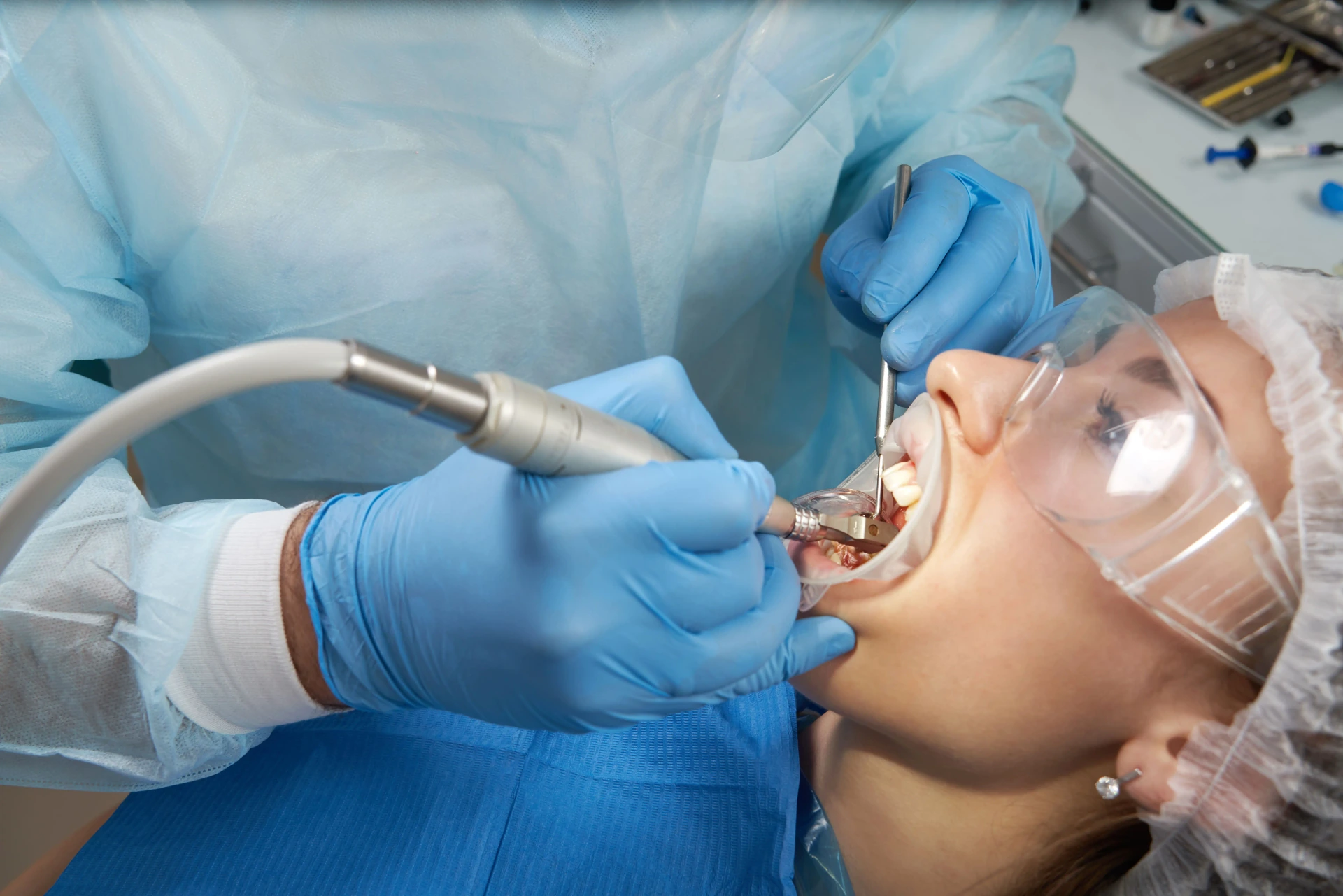
The treatment has two parts. Scaling removes the plaque and tartar from the tooth and root surfaces above and below the gumline. Root planing then smooths the root surfaces so the gum can reattach snugly and it’s harder for bacteria to build up again. Together they reduce the bleeding, swelling, and bad breath that come with early gum disease and give the gums a chance to heal.
We first measure your gum pockets to see where treatment is needed, and we make sure you’re comfortable throughout — using numbing for deeper or more sensitive areas. Afterwards, good daily cleaning and a regular maintenance schedule are what keep the improvement, so we tailor a plan around your gums.
Who is it for?
- Scaling and root planing is for patients with early gum disease (gingivitis progressing to early periodontitis) — signs include red, swollen, or bleeding gums, persistent bad breath, and gums starting to pull away from the teeth.
- It’s recommended when a gum assessment shows tartar below the gumline and deepened pockets that a routine cleaning can’t address.
- It suits people committed to improving their daily cleaning, since the treatment works best alongside good home care and follow-up.
- For advanced gum disease with significant bone loss, deep cleaning may be one part of a broader gum treatment plan, sometimes with referral — we’ll explain if that applies.
- This isn’t a self-diagnosis checklist — we measure your gums and assess the deposits in person before recommending scaling and root planing.
What to expect
- 01Gum assessment — we measure the depth of the pockets around your teeth and check for bleeding and tartar to map where deep cleaning is needed.
- 02Comfort & numbing — for deeper pockets or sensitive gums, we numb the area with local anaesthesia so the treatment is comfortable.
- 03Scaling — we carefully remove plaque and tartar from the tooth and root surfaces above and below the gumline.
- 04Root planing — we smooth the root surfaces so the gums can reattach and it’s harder for bacteria to recolonise. This is often done by area over one or more visits.
- 05Review & maintenance plan — we recheck your gums after healing and set a supportive maintenance schedule to hold the improvement.
Benefits
- Treats the cause — removes the below-the-gumline tartar that keeps gums inflamed, which routine cleaning can’t reach.
- Reduces bleeding and bad breath — settling the inflammation improves how your gums look, feel, and smell.
- Helps save teeth — controlling early gum disease protects the bone and gums that hold your teeth in place.
- A fresh baseline — smoothing the roots and a tailored home-care plan make the gums easier to keep healthy.
Aftercare & keeping your gums healthy
- Some tenderness and mild sensitivity for a few days is normal; stick to softer foods and take simple pain relief if needed.
- Brush gently but thoroughly twice a day and clean between your teeth daily — this is essential to keep the improvement.
- Use any prescribed or recommended mouthrinse as advised, and expect bleeding to reduce as the gums heal over the following weeks.
- Keep to the maintenance schedule we set — regular supportive cleanings are the main way to stop gum disease returning.
Deep cleaning vs. routine cleaning vs. gum maintenance
Scaling and root planing is more than a routine clean. Here’s how the levels of gum care compare.
| Service | Addresses | Invasiveness |
|---|---|---|
| Deep Scaling & Root Planing | Below-the-gumline deposits in early gum disease | Deep cleaning of the root surfaces, often numbed |
| Dental Checkup | Routine prevention for healthy teeth and gums | Above-the-gumline scaling and polishing |
Frequently asked questions
What’s the difference between scaling and root planing and a normal cleaning?
A routine cleaning removes plaque and tartar above the gumline for healthy mouths. Scaling and root planing is a deeper treatment for gum disease that also removes deposits below the gumline and smooths the root surfaces so the gums can heal and reattach. It’s recommended when a gum assessment shows deeper pockets and below-the-gumline tartar.
Does scaling and root planing hurt?
We numb the area with local anaesthesia for deeper pockets or sensitive gums, so the treatment itself is comfortable. Afterwards, mild tenderness and sensitivity for a few days is normal and settles quickly with gentle care and simple pain relief.
How many visits will I need?
It depends on how much of your mouth is affected. Deep cleaning is often done by area over one or more visits so each section gets thorough attention and stays comfortable. We’ll tell you the plan after assessing your gums.
Will my gums go back to normal after treatment?
Early gum disease responds well — bleeding and swelling usually reduce noticeably as the gums heal over the following weeks. Gums that have receded won’t grow back, but the treatment stops further damage. Keeping up good home care and maintenance is what holds the result.
Why do my teeth feel sensitive after a deep cleaning?
Removing tartar and smoothing the roots can briefly expose areas that were covered, so some sensitivity to hot and cold for a few days is common. It usually settles on its own; a sensitivity toothpaste helps, and we’ll advise if anything more is needed.
What happens if I don’t treat early gum disease?
Untreated gum disease tends to progress — pockets deepen, the supporting bone is gradually lost, and teeth can eventually loosen or be lost. Treating it early with scaling and root planing, then maintaining your gums, is the key to keeping your teeth long term.
How much does scaling and root planing cost in Malaysia?
Cost depends on how many areas need deep cleaning and the number of visits involved. We provide a clear quote after assessing your gums — contact your nearest Tooth Buddy clinic for current pricing.