
Overview
We always try to save a natural tooth where it makes sense to. But sometimes a tooth is too badly decayed, broken, or loose from gum disease to keep, is causing repeated infection, or needs removing to relieve crowding before orthodontic treatment. In those cases, a carefully planned extraction is the healthiest way forward.
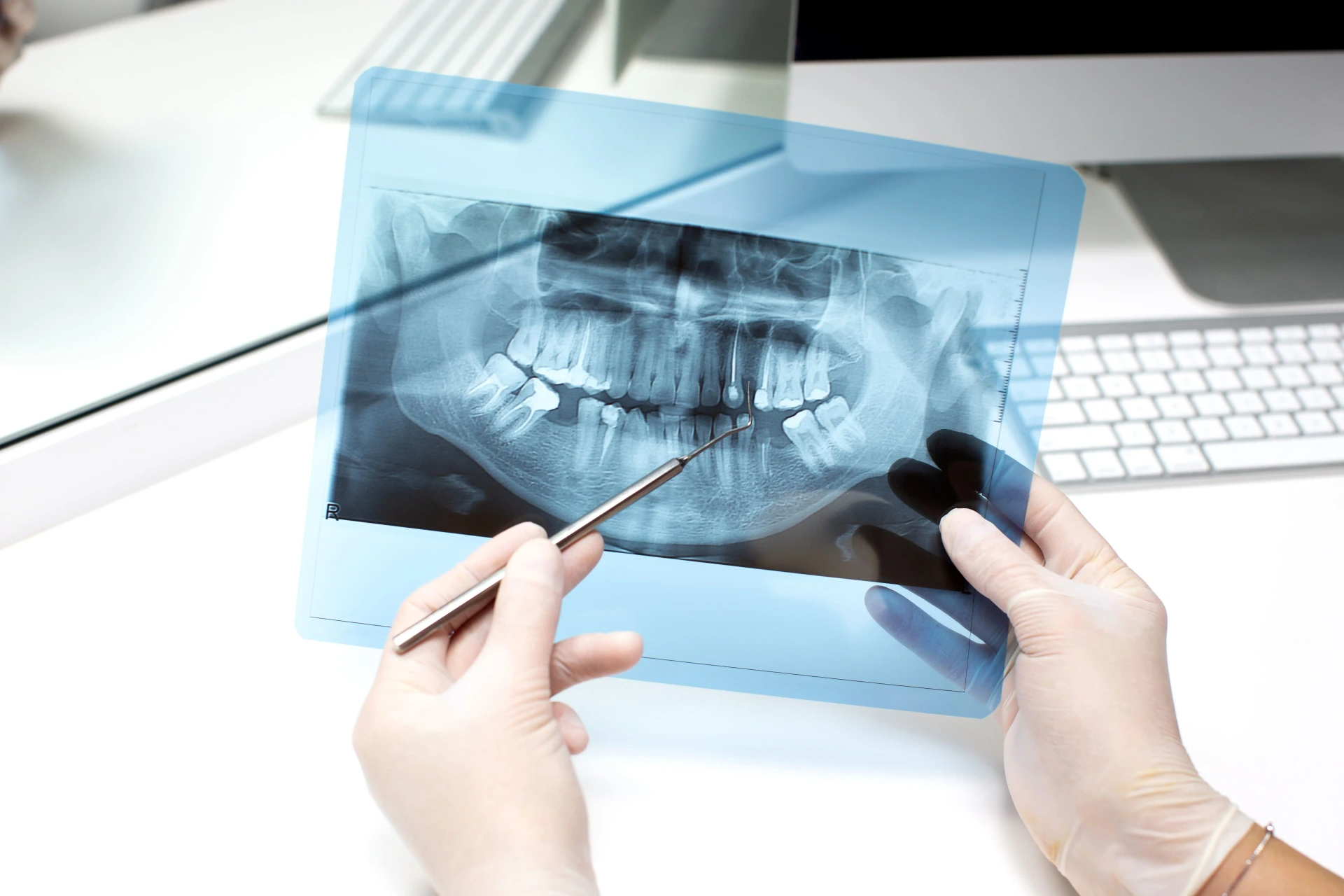
Before removing anything, we assess the tooth — often with an X-ray — and talk you through whether it can still be saved with a filling, crown, or root canal, or whether removal is genuinely the better option. If the tooth does need to come out, we also discuss how and whether to replace it, since leaving a gap can let other teeth drift over time.
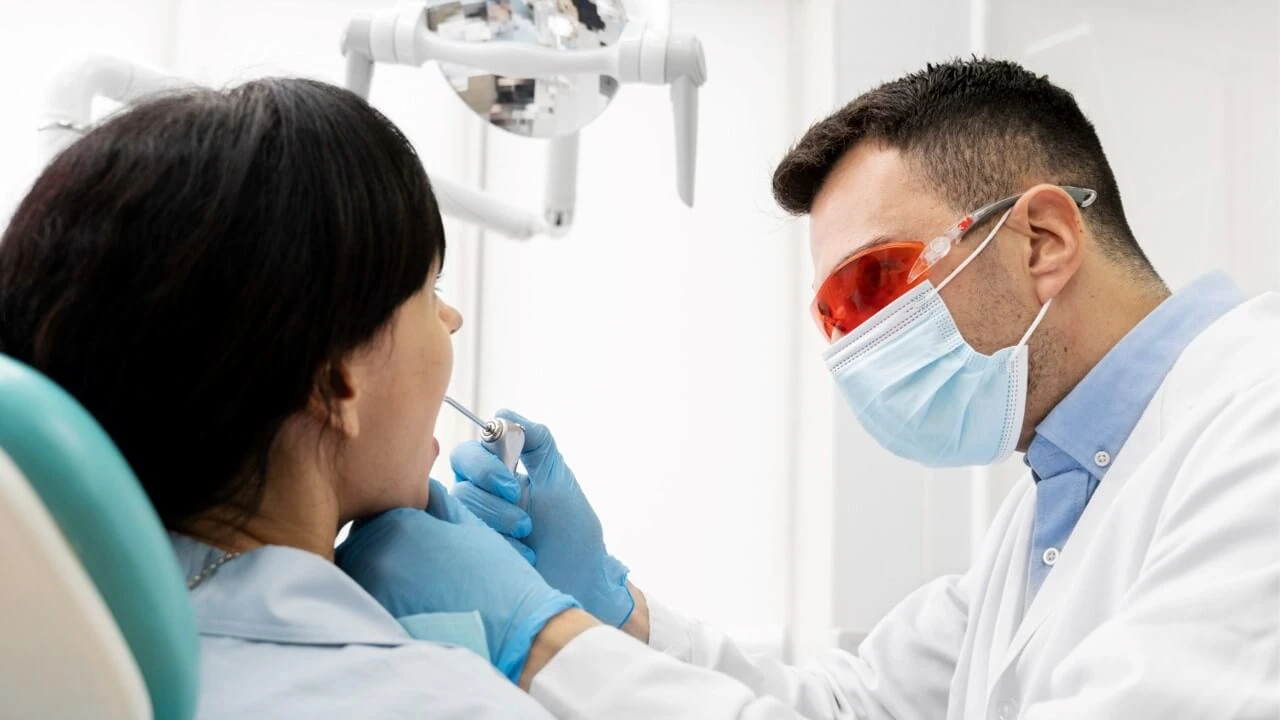
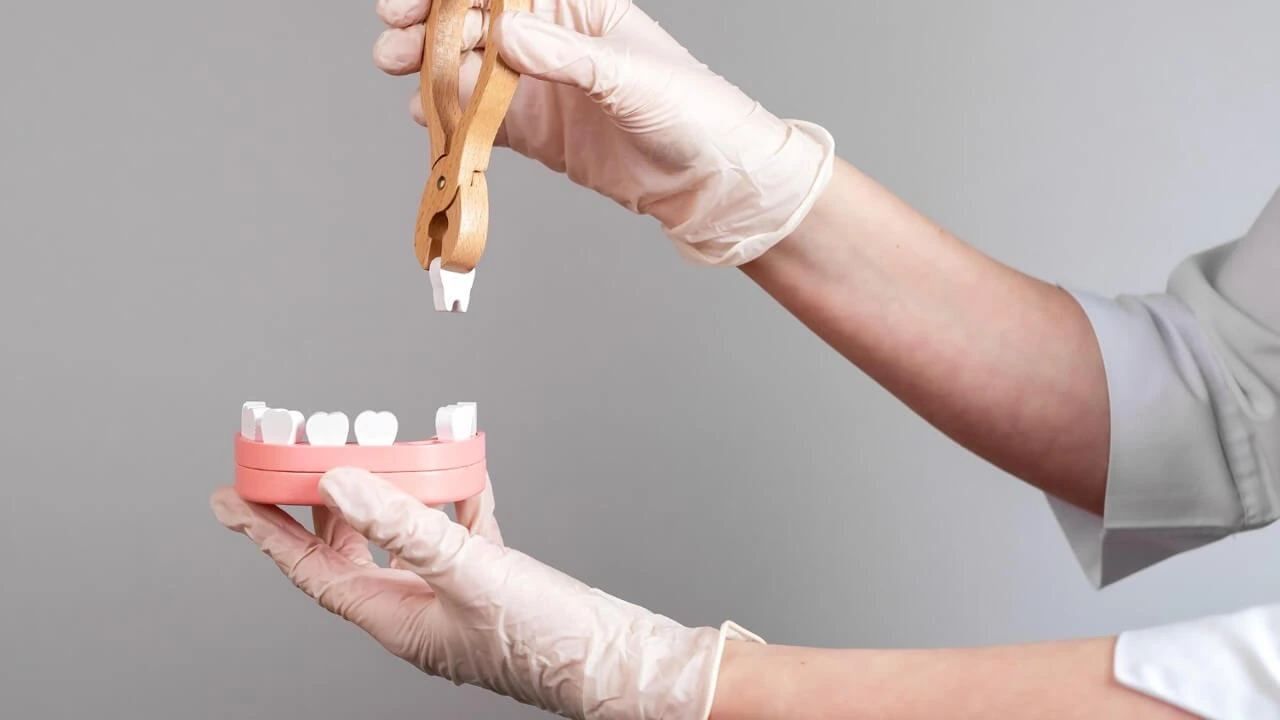
The extraction itself is done under local anaesthesia so the area is fully numb. A straightforward tooth is a simple extraction; one that’s broken at the gumline or impacted may need a minor surgical approach. Either way, we work gently and send you home with clear instructions to protect the area while it heals.
Who is it for?
- Extraction may be needed for a tooth that’s too decayed or broken to restore, is loose from advanced gum disease, or is causing repeated pain or infection.
- It’s sometimes recommended to relieve severe crowding before or during orthodontic treatment, or for a badly positioned tooth that can’t be brought into line.
- It suits patients where the alternatives (a filling, crown, or root canal) won’t give a reliable long-term result — we’ll always tell you honestly when saving the tooth is the better path.
- Baby teeth that are causing problems or not falling out naturally are sometimes removed to protect the developing adult teeth.
- This isn’t a self-diagnosis checklist — we examine the tooth and take imaging to confirm whether removal is genuinely the right option before proceeding.
What to expect
- 01Assessment — we examine the tooth and take an X-ray to understand its condition, roots, and the surrounding bone, and confirm whether removal is the best option.
- 02Discussion & plan — we explain why the tooth can’t be saved (or the trade-offs if it can), how it will be removed, and options for replacing it afterwards.
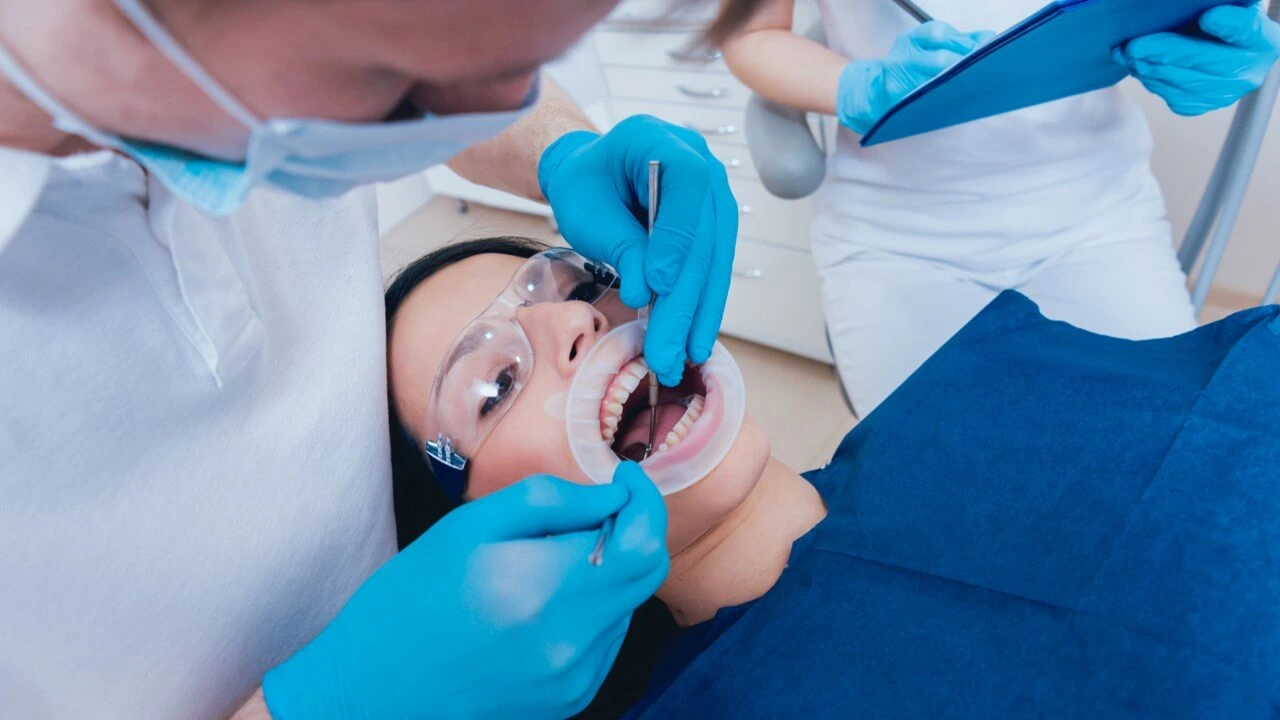
- 03Numbing & removal — the area is fully numbed with local anaesthesia. A simple tooth is gently eased out; a broken or impacted one may need a minor surgical procedure, with stitches if required.
- 04Immediate aftercare — we place gauze, confirm the bleeding is controlled, and give you clear written instructions and pain-relief guidance before you leave.
- 05Healing & replacement — most sockets heal well within days to a couple of weeks. We follow up if needed and plan any replacement tooth so gaps don’t cause problems later.
Benefits
- Relieves pain and infection — removing an unsavable, infected tooth resolves the pain and stops the infection spreading.
- Protects the rest of your mouth — taking out a hopeless tooth prevents it damaging neighbouring teeth or the surrounding bone.
- Comfortable and controlled — local anaesthesia and careful technique make the procedure manageable and predictable.
- A plan for what’s next — we discuss replacing the tooth so a gap doesn’t lead to drifting teeth or bite problems.
Is having a tooth removed safe, and does it hurt?
A tooth extraction is a safe, routine procedure carried out under local anaesthesia, so the area is completely numb — you’ll feel pressure but not pain during the removal. Assessing the tooth and roots with an X-ray beforehand lets us plan the safest approach and anticipate anything unusual.
Afterwards, some soreness and swelling for a few days is normal and settles with rest and simple pain relief. The most important thing is protecting the blood clot that forms in the socket: avoiding vigorous rinsing, smoking, and drinking through a straw in the first days helps prevent a painful "dry socket." We’ll give you clear instructions and the warning signs that mean you should get in touch.
Aftercare & recovery
- Bite gently on the gauze for the time we advise to help a clot form, and rest for the remainder of the day.
- Avoid rinsing, smoking, and drinking through a straw for the first few days — these can dislodge the clot and cause a dry socket.
- Eat soft, lukewarm foods and chew on the other side; keep the rest of your mouth clean and start gentle salt-water rinses after 24 hours.
- Take pain relief as advised, and contact us if pain worsens after a few days, or if there’s heavy bleeding, spreading swelling, or fever.
Extraction vs. saving the tooth vs. replacing it
Removing a tooth is sometimes the right call — but not always. Here’s how extraction sits alongside the alternatives.
| Service | Addresses | Invasiveness |
|---|---|---|
| Tooth Extraction | Removing a tooth that can’t be saved or is causing problems | Removes the tooth; leaves a gap to consider replacing |
| Root Canal Treatment | Saving an infected tooth that can still be restored | Keeps the natural tooth; usually crowned |
| Dental Implant | Replacing the tooth after it’s removed | Minor oral surgery; fixed replacement |
Frequently asked questions
Does having a tooth pulled hurt?
The procedure is done under local anaesthesia, so the area is completely numb and you’ll feel pressure but not pain during the removal. Afterwards, some soreness for a few days is normal and easily managed with the pain relief and aftercare we provide.
Can’t the tooth be saved instead of removed?
Where a tooth can be reliably saved with a filling, crown, or root canal, that’s usually the better choice, and we’ll always tell you. Extraction is recommended when a tooth is too decayed, broken, loose, or infected to keep. We assess honestly before advising removal.
How long does it take to heal after an extraction?
The soft tissue usually heals within one to two weeks, with the socket bone continuing to fill in over the following weeks. Most people feel much better within a few days. Following the aftercare instructions helps you heal smoothly and avoid complications.
Do I need to replace the tooth after it’s removed?
It depends on the tooth. Replacing a visible or functional tooth (with an implant, bridge, or denture) helps prevent neighbouring teeth drifting and maintains your bite and appearance. For some back teeth or wisdom teeth, replacement isn’t needed. We’ll discuss what’s right for you.
What is a dry socket and how do I avoid it?
A dry socket occurs when the protective blood clot is dislodged, exposing the bone and causing throbbing pain a few days after extraction. You can lower the risk by not smoking, not using straws, and not rinsing vigorously in the first few days. It’s treatable — contact us if you develop increasing pain.
What’s the difference between a simple and a surgical extraction?
A simple extraction removes a tooth that’s fully erupted and accessible. A surgical extraction is needed when a tooth is broken at the gumline or impacted, involving a small opening in the gum and sometimes stitches. Your X-ray tells us in advance which your case needs.
How much does a tooth extraction cost in Malaysia?
Cost depends on whether it’s a simple or surgical extraction and the tooth involved. We give you a clear quote after assessing the tooth — contact your nearest Tooth Buddy clinic for current pricing.