
Overview
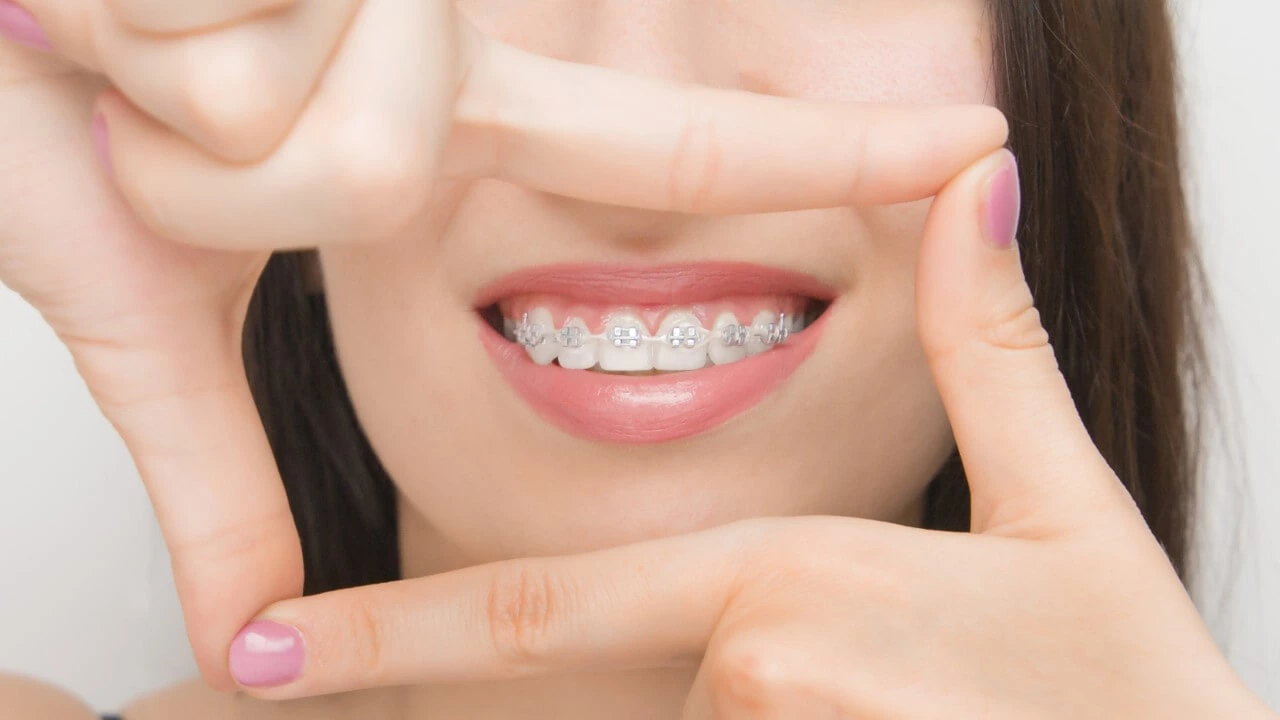
Traditional braces use small brackets bonded to each tooth, connected by an archwire that applies gentle, controlled pressure to move teeth into better positions over time. They’re the most versatile orthodontic option — able to handle everything from mild crowding to complex bite problems that clear aligners can’t always manage.
Braces do more than straighten front teeth. Correcting how your teeth meet (the bite) can make chewing more comfortable, reduce uneven wear, and make teeth easier to clean, which supports long-term gum and tooth health. We assess alignment, bite, jaw relationship, and gum health before recommending a plan.
You can choose metal brackets or more discreet tooth-coloured ceramic ones. We’ll explain the expected stages, roughly how long treatment should take, how to care for your braces, and the retainer plan that holds your teeth in their new position afterwards.
Who is it for?
- Braces suit teenagers and adults who want to correct crowding, spacing, protruding teeth, or a range of bite problems (such as an overbite, underbite, or crossbite).
- They’re often the recommended choice for more complex cases where teeth need significant movement or the bite needs substantial correction — situations where aligners may be less predictable.
- They also suit patients who prefer a fixed appliance they don’t have to remember to wear, since braces work continuously without relying on discipline.
- Healthy gums and teeth are needed first — we treat any decay or gum disease before starting, because moving teeth requires a healthy foundation.
- This isn’t a self-diagnosis checklist — we assess your teeth, bite, jaw relationship, and gum health in person, usually with X-rays and records, before recommending braces or an alternative.
What to expect
- 01Assessment & records — we examine your teeth, bite, and gums and take X-rays, photos, and impressions or a scan to plan your treatment precisely.
- 02Fitting your braces — brackets are bonded to your teeth and connected with an archwire. This is painless, though your teeth may feel tender for a few days as they start to move.
- 03Regular adjustments — you return every few weeks so we can adjust the wires and track progress, gradually guiding your teeth into position.
- 04Braces removed — once treatment is complete, the braces are removed and your teeth are polished. We check the final bite and alignment.
- 05Retainers — you wear retainers to hold your teeth in their new position. Wearing them as advised is essential, since teeth naturally tend to drift back over time.
Benefits
- Versatile and reliable — braces handle the widest range of cases, including complex crowding and bite corrections.
- Always working — being fixed, they don’t depend on you remembering to wear them, which keeps treatment on track.
- Better bite and cleaner teeth — straighter, better-aligned teeth are easier to clean and can reduce uneven wear.
- Discreet options available — tooth-coloured ceramic brackets are less visible than traditional metal for adults who want subtlety.
Traditional braces vs. clear aligners vs. Damon braces
There’s more than one way to straighten teeth. Here’s how our orthodontic options compare so you can see which might suit you.
| Service | Addresses | Invasiveness |
|---|---|---|
| Metal Braces | The widest range, including complex crowding and bite issues | Fixed brackets and wires; visible unless ceramic |
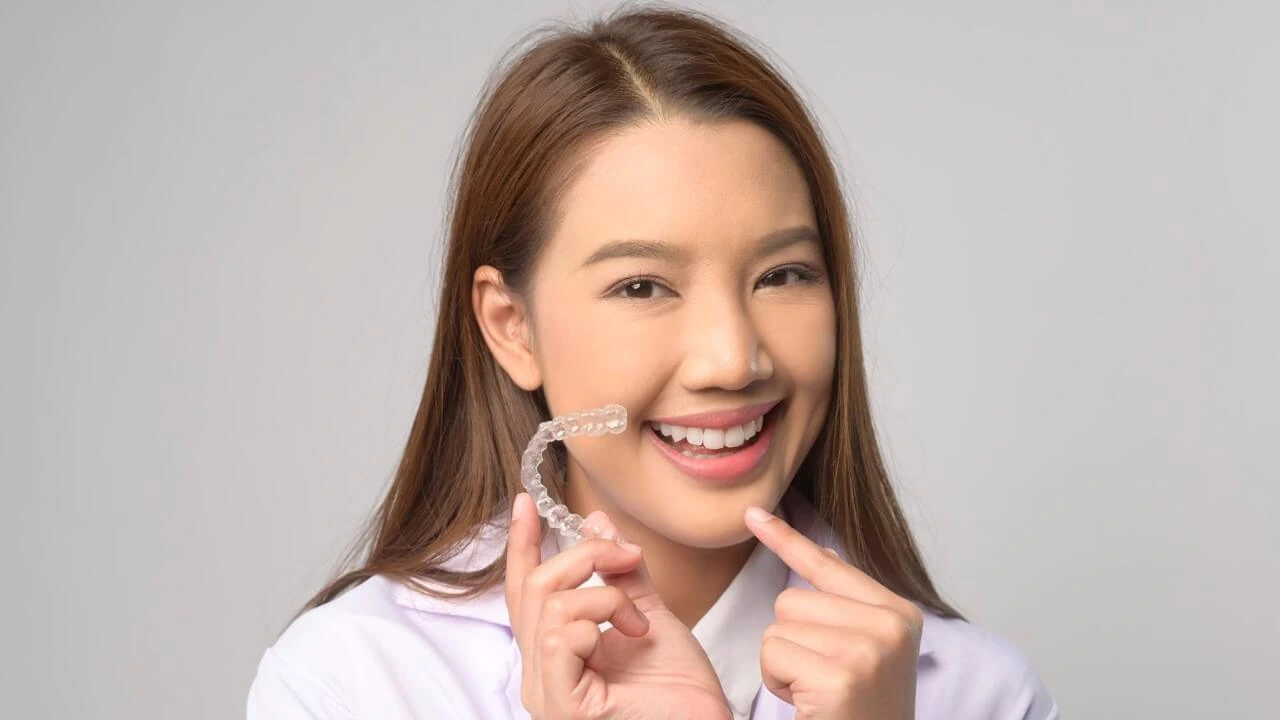
| Clear Aligner | Mild to moderate alignment, with a discreet, removable option | Removable; relies on consistent daily wear |
| Damon Self-Ligating Braces | Similar range to traditional braces, with a low-profile design | Fixed; no elastic ties, fewer adjustments |
Frequently asked questions
How long do braces take?
Most treatments take around 12 to 30 months, depending on how much movement your teeth need and how complex your bite is. We’ll give you an estimated timeframe after your assessment, and keeping your appointments helps treatment finish on schedule.
Do braces hurt?
Fitting braces is painless, but your teeth often feel tender for a few days after fitting and after each adjustment as they begin to move. This is normal, usually mild, and eased with soft foods and over-the-counter pain relief. It settles quickly.
Are braces only for children and teenagers?
No. Adults can and do get braces successfully — healthy teeth can be moved at any age. Many adults choose tooth-coloured ceramic brackets for a more discreet look. We assess suitability based on your gum and bone health rather than your age.
Braces or clear aligners — which is better for me?
It depends on your case. Braces are more versatile and often better for complex crowding or bite correction, and they don’t rely on discipline. Aligners are discreet and removable but need consistent wear and suit milder cases. We’ll recommend the best fit after assessing your teeth and bite.
What can’t I eat with braces?
Avoid very hard, sticky, or chewy foods (like hard nuts, toffee, and ice) that can damage brackets or wires, and cut firm foods into smaller pieces. We give you a full food-care guide when your braces are fitted.
Will I need to wear a retainer after braces?
Yes. Teeth naturally tend to drift back toward their old positions, so retainers are essential to hold your result. We’ll fit retainers when your braces come off and explain how often to wear them to keep your smile straight long term.
How much do braces cost in Malaysia?
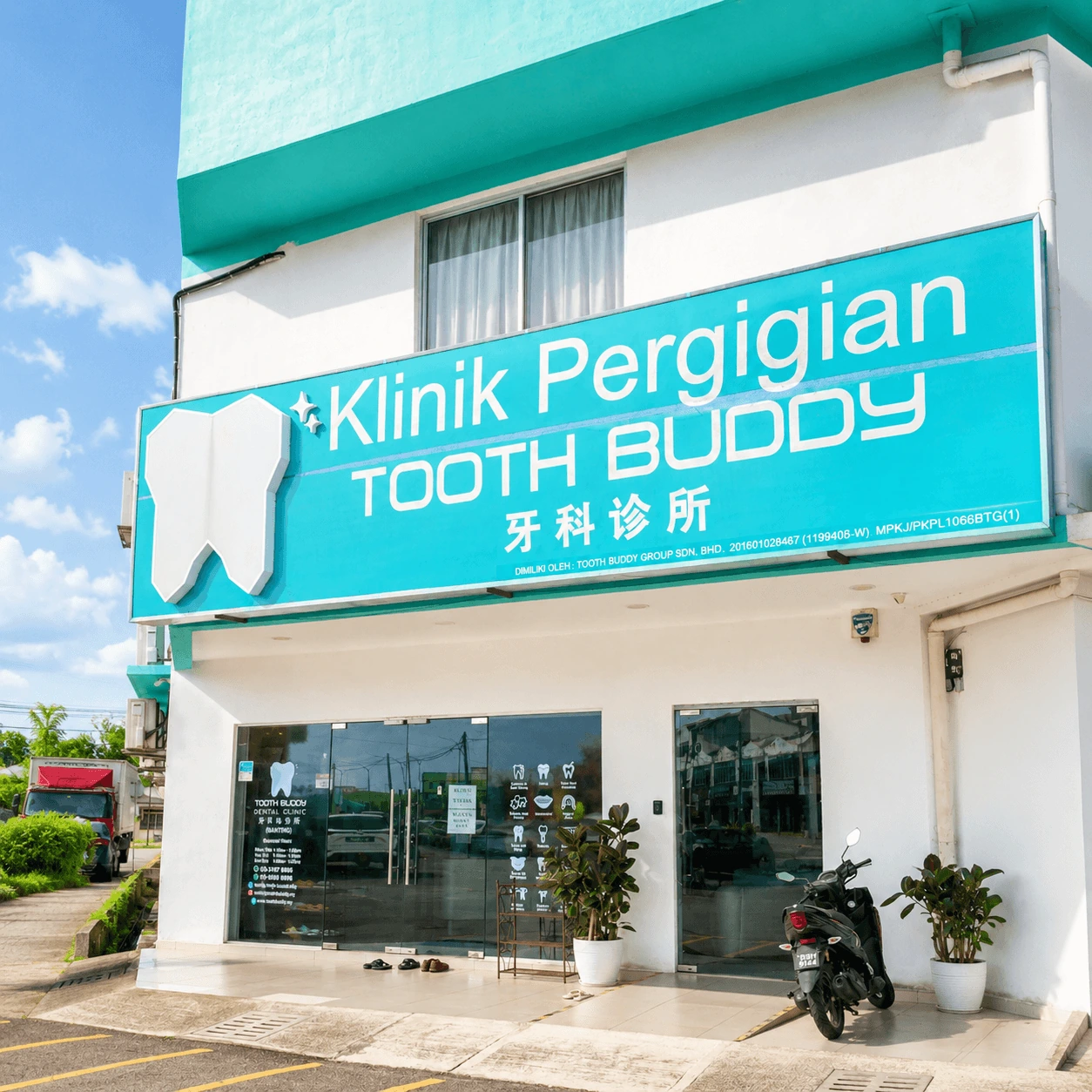
Cost depends on the type of braces (metal or ceramic) and the complexity and length of your treatment. We provide a clear quote and can discuss instalment options after your assessment — contact your nearest Tooth Buddy clinic to arrange a consultation.