
Overview
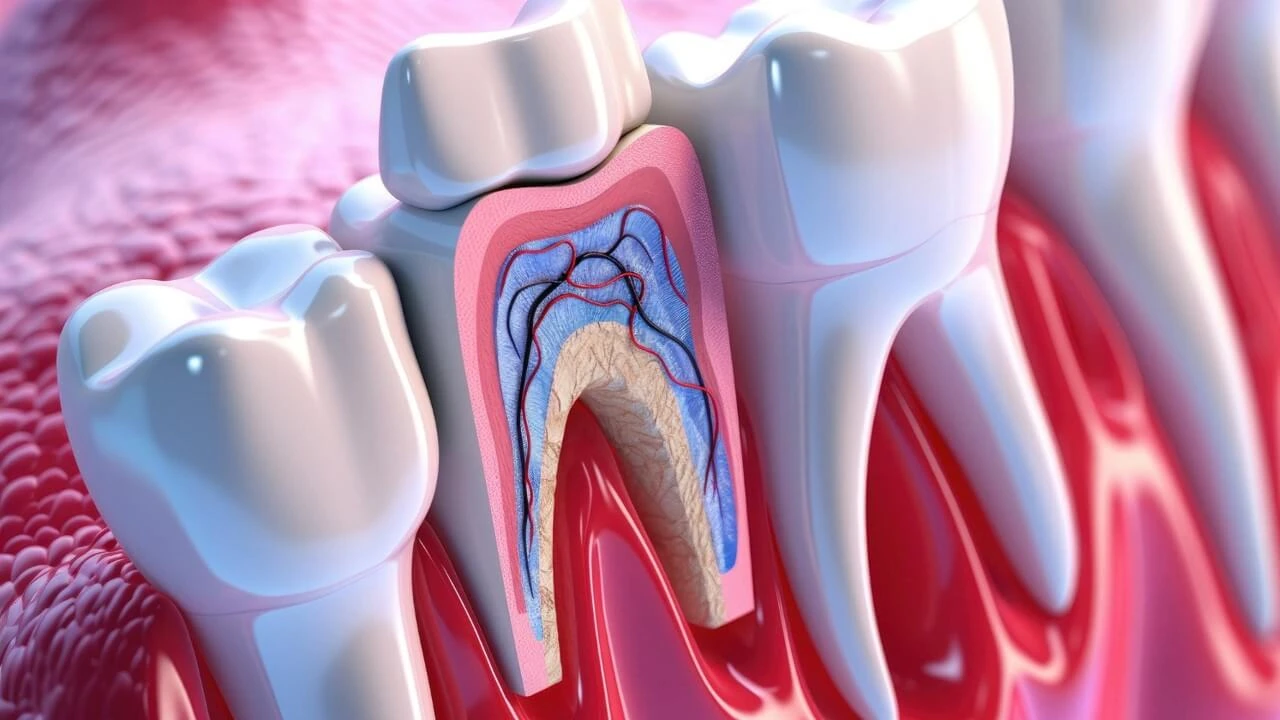
Inside every tooth is a soft core called the pulp, which contains nerves and blood vessels. When deep decay, a crack, or repeated dental work lets bacteria reach the pulp, it can become inflamed or infected — causing severe toothache, sensitivity to hot and cold, swelling, or an abscess. Root canal treatment removes the infected pulp, cleans and disinfects the inside of the tooth, and seals it, stopping the infection and relieving the pain.
The biggest advantage of a root canal is that it saves your natural tooth. Keeping your own tooth preserves your natural bite and avoids the gap that would otherwise need a bridge, denture, or implant. Modern techniques and anaesthesia make the procedure much more comfortable than its old reputation suggests — for most people it feels similar to having a filling.
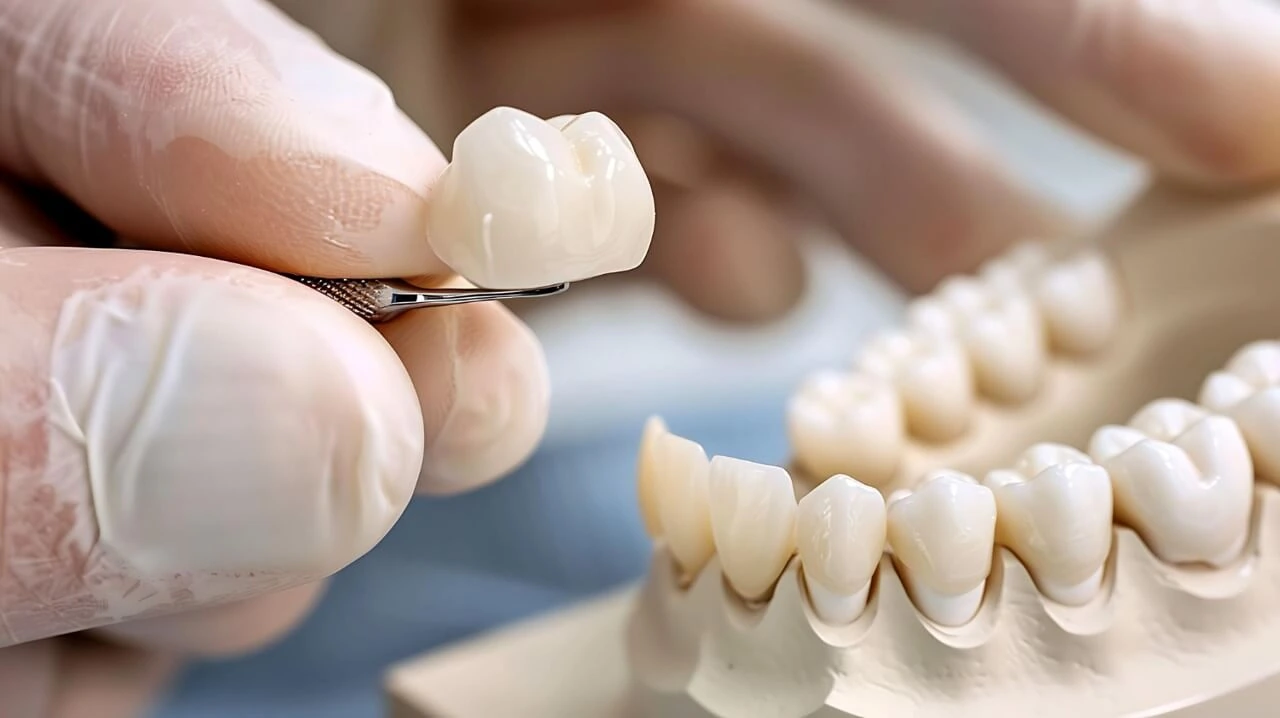
After a root canal, the tooth is more brittle and usually needs a crown (especially at the back) to protect it and restore full chewing strength. We explain each stage, keep you comfortable throughout, and plan the final restoration so the tooth stays functional for as long as possible.
Who is it for?
- Root canal treatment is for teeth with an infected or inflamed pulp — often signalled by severe or lingering toothache, pain on biting, sensitivity to hot or cold that doesn’t go away, swelling, or an abscess.
- It’s also used when decay or a crack has reached the nerve, or when a tooth has been badly knocked, even if it isn’t currently painful.
- It suits patients who want to save a natural tooth rather than have it extracted, provided enough healthy tooth structure remains to restore afterwards.
- It isn’t always the answer — if a tooth is too broken down or cracked to save, extraction (and later an implant, bridge, or denture) may be the better route. We’ll be honest about the tooth’s prognosis.
- This isn’t a self-diagnosis checklist — we examine the tooth and take an X-ray to confirm whether the pulp is affected before recommending treatment.
What to expect
- 01Assessment & diagnosis — we examine the tooth, test the nerve, and take an X-ray to confirm the infection and see the shape of the roots.
- 02Numbing & access — the tooth and surrounding area are numbed with local anaesthesia, so you stay comfortable, then a small opening is made to reach the pulp.
- 03Cleaning the canals — the infected pulp is removed and the canals are carefully cleaned, disinfected, and shaped. This may be completed in one or more visits depending on the tooth.
- 04Sealing the tooth — the canals are filled and sealed to prevent reinfection, and a temporary or permanent filling closes the access.
- 05Final restoration — the tooth is restored, usually with a crown (especially for back teeth), to protect it and restore full chewing strength. We check the bite and go through aftercare.
Benefits
- Relieves pain — removing the infected pulp resolves the toothache and pressure the infection was causing.
- Saves your natural tooth — keeps your own tooth and bite instead of leaving a gap to be filled later.
- Stops the infection spreading — cleaning and sealing the tooth prevents the infection progressing to the bone or nearby teeth.
- Restores full function — with a crown afterwards, the tooth can bite and chew normally for many years.
Does a root canal hurt, and is it safe?
Root canal treatment has a painful reputation that modern dentistry has largely left behind. The pain people associate with root canals actually comes from the infection itself — the treatment is what relieves it. Carried out under local anaesthesia, the procedure typically feels similar to having a filling, and it’s a safe, routine, well-established treatment.
It’s normal for the tooth to feel tender for a few days afterwards as the area settles, which is easily managed with over-the-counter pain relief. Because a root-treated tooth becomes more brittle, protecting it with a crown at the right time is important — leaving it unrestored is the main thing that puts the tooth at risk of fracture later.
Root canal vs. extraction & replacement
When a tooth is badly infected, the main choice is to save it or remove it. Here’s how the paths compare.
| Service | Addresses | Invasiveness |
|---|---|---|
| Root Canal Treatment | Saving an infected tooth that can still be restored | Keeps the natural tooth; usually crowned afterwards |
| Tooth Extraction | Removing a tooth that can’t be saved | Removes the tooth; leaves a gap to replace |
| Dental Implant | Replacing the tooth after extraction | Minor oral surgery; fixed replacement |
Frequently asked questions
Does a root canal hurt?
The procedure itself shouldn’t hurt — it’s done under local anaesthesia and typically feels similar to having a filling. The severe pain people associate with root canals comes from the infection beforehand; the treatment relieves it. Some tenderness for a few days afterwards is normal and easily managed.
Is it better to save the tooth or just pull it out?
Where a tooth can be saved, keeping your natural tooth is usually the better long-term choice — it preserves your bite and avoids a gap that would need an implant, bridge, or denture. Extraction is preferred when a tooth is too damaged or cracked to restore. We’ll advise honestly based on the tooth’s prognosis.
How many visits does a root canal take?
It depends on the tooth and the extent of the infection — some root canals are completed in a single visit, others over two. Front teeth with one canal are often quicker than back teeth with several. We’ll tell you what to expect for your specific tooth.
Do I need a crown after a root canal?
Usually yes, especially for back teeth. A root-treated tooth becomes more brittle and is prone to fracture, so a crown protects it and restores full chewing strength. For some front teeth a filling may be enough — we’ll advise based on how much healthy tooth remains.
What happens if I don’t treat an infected tooth?
An untreated pulp infection doesn’t heal on its own. It can worsen, form an abscess, spread to the surrounding bone, and lead to losing the tooth — sometimes with facial swelling that needs urgent care. Treating it early with a root canal is far more predictable and comfortable.
How long does a root-treated tooth last?
A root-treated tooth that’s properly restored, usually with a crown, can last for many years — often a lifetime — with good oral hygiene and regular checkups. Protecting it promptly with the right restoration makes the biggest difference.
How much does root canal treatment cost in Malaysia?
Cost depends on the tooth (front teeth are generally simpler than multi-rooted back teeth) and whether a crown is needed afterwards. We provide a clear quote after assessing the tooth — contact your nearest Tooth Buddy clinic for current pricing.