
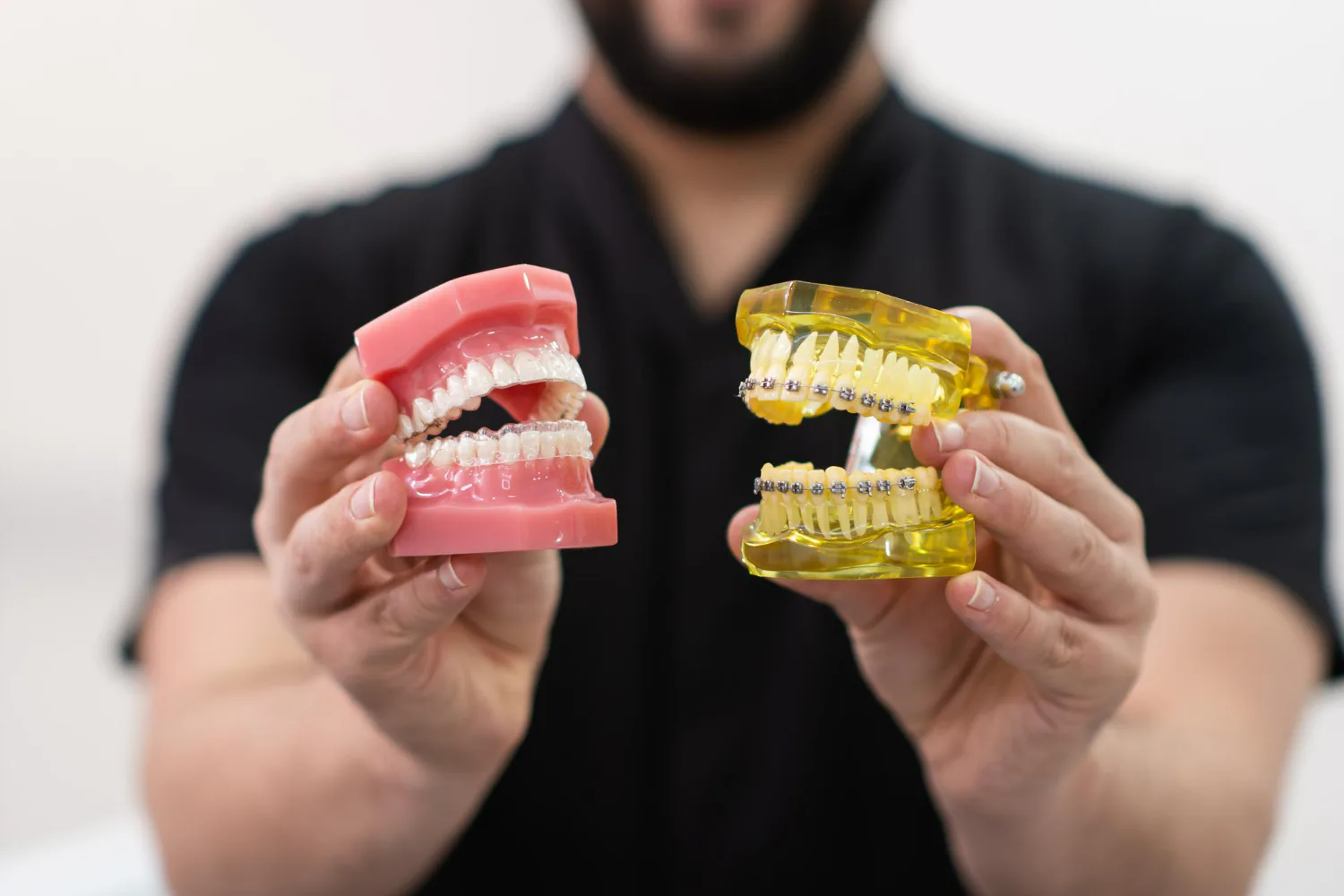
Straightening your teeth usually involves two common orthodontic options: clear aligners and metal braces. Both treatments are designed to gradually move teeth into better positions, but they work differently and may be suitable for different dental needs.
Clear aligners use a series of transparent, removable trays that are custom-made to guide tooth movement over time. Metal braces, on the other hand, use brackets and wires fixed to the teeth to apply continuous pressure and help correct orthodontic concerns such as crowded teeth, gaps and bite problems.
The right choice depends on factors such as your teeth condition, treatment goals, lifestyle preferences and the recommendation of a dental professional.
This article compares clear aligners vs metal braces in Malaysia, covering how both treatments work, their key differences, and which option may be more suitable for different situations, to help you better understand your orthodontic choices before starting treatment.
How Do Clear Aligners and Metal Braces Work?
Both clear aligners and metal braces work by applying controlled pressure to gradually move teeth into their planned positions. While both treatments aim to improve teeth alignment and bite, they use different approaches to guide tooth movement throughout the treatment process.
How Do Clear Aligners Work?
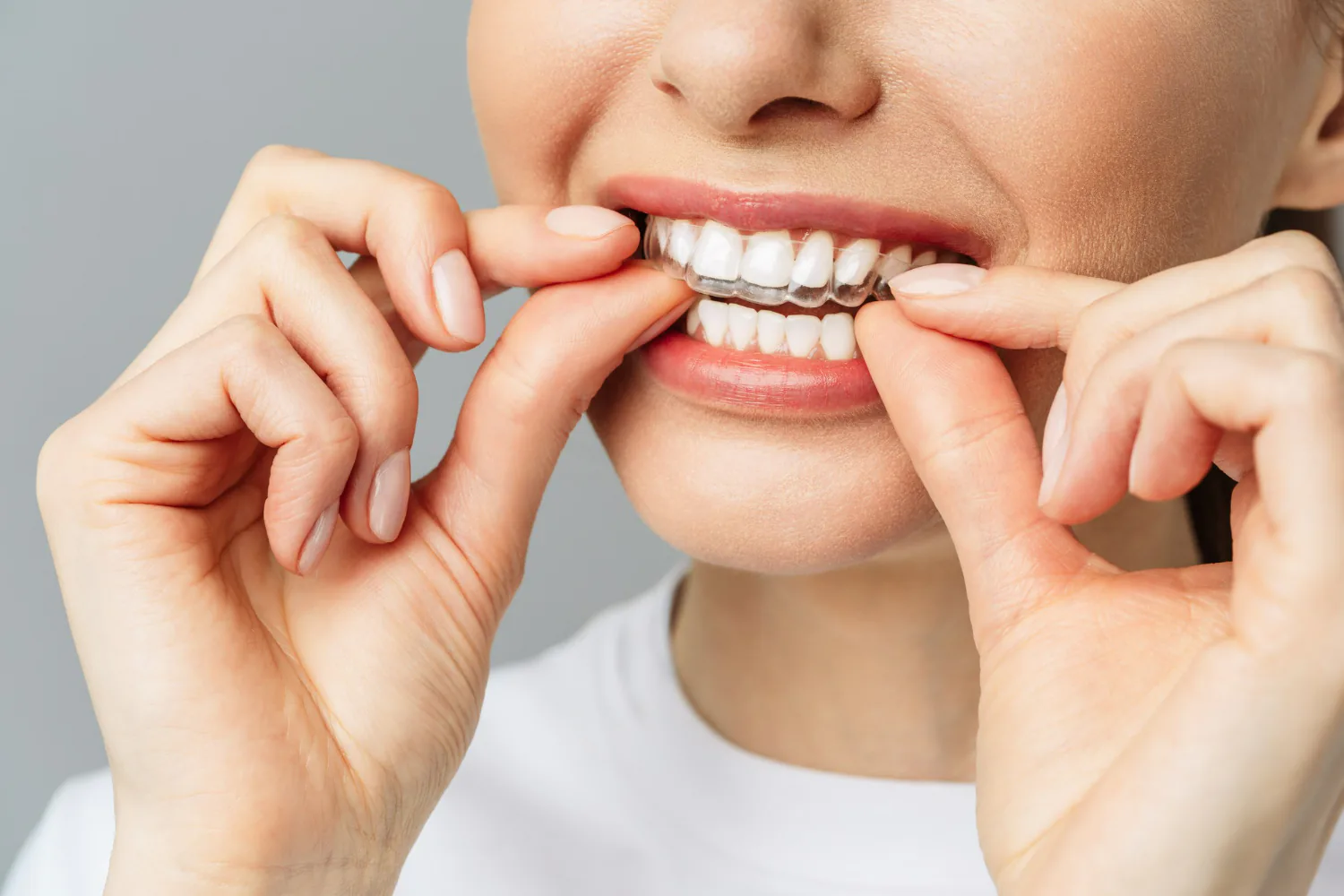
Clear aligners use a series of custom-made transparent trays that fit over your teeth. These trays are usually made from high-quality, medical-grade thermoplastic materials and are designed based on a personalised treatment plan to move specific teeth gradually.
Each set of aligners makes small adjustments to your tooth position before you move on to the next set. Depending on your treatment plan, aligners are usually changed every one to two weeks to continue guiding your teeth towards the desired alignment.
Since clear aligners are removable, they need to be worn consistently to work effectively. Most patients are advised to wear them for around 20 to 22 hours per day, removing them mainly for eating, drinking, brushing and flossing.
Clear aligners can be used to address many common orthodontic concerns, including crowded teeth, gaps, crooked teeth and selected bite problems. However, suitability depends on your tooth movement requirements and overall dental condition.
How Do Metal Braces Work?
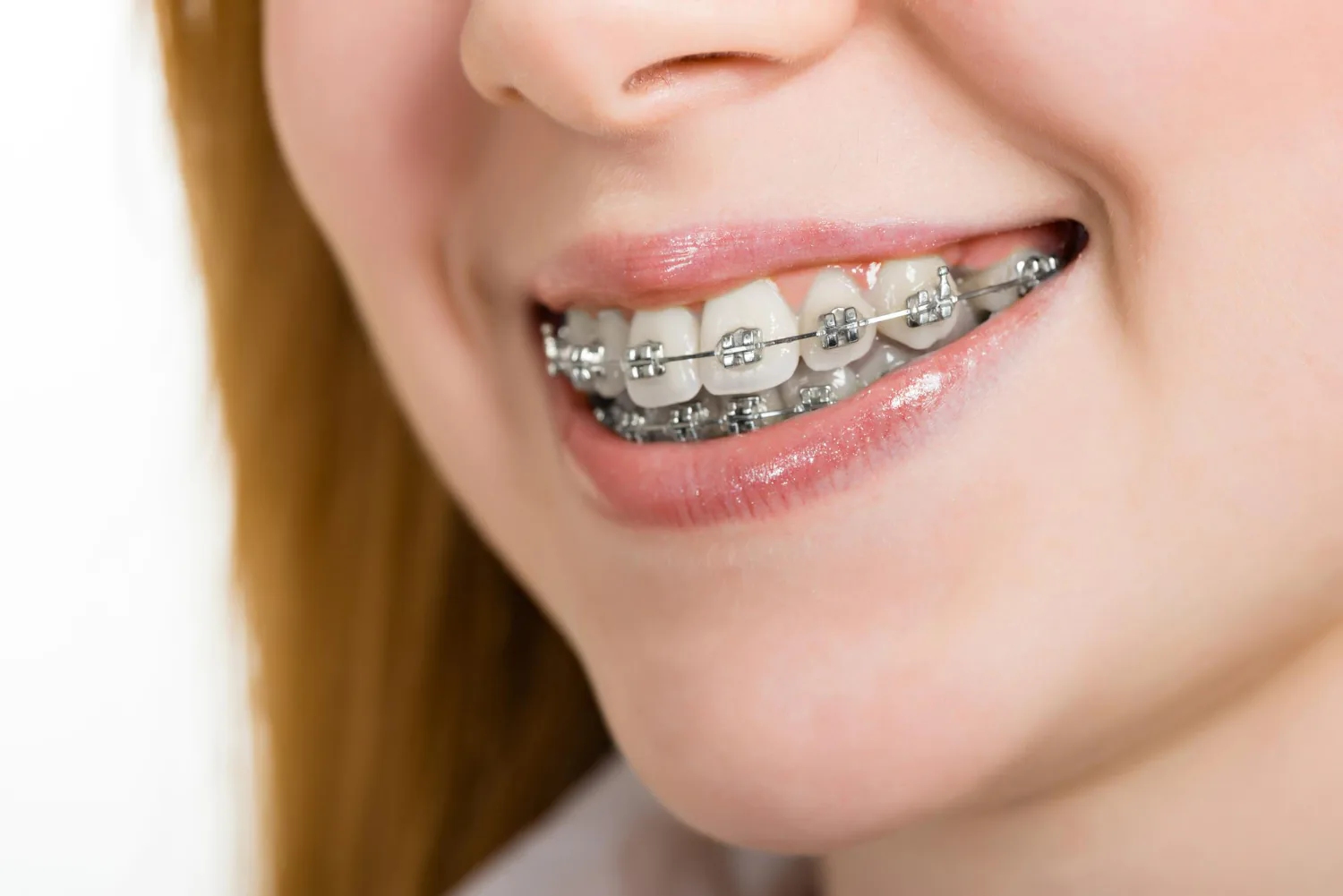
Metal braces use a combination of metal brackets, orthodontic wires and elastic bands that are attached to the teeth to gradually correct their alignment. The brackets are bonded to each tooth, while the orthodontic wire connects the brackets and applies controlled pressure to guide teeth into their planned positions.
During treatment, the wire is adjusted periodically by a dental professional to change the amount and direction of pressure applied to the teeth. These adjustments allow the dentist to gradually move teeth, improve alignment and correct bite problems over time.
Unlike clear aligners, metal braces remain fixed on the teeth throughout the treatment period. This means they continuously apply pressure without requiring patients to remember to wear them. However, maintaining good oral hygiene is important because food particles can become trapped around the brackets and wires.
Metal braces can treat a wide range of orthodontic concerns, including crowded teeth, gaps, crooked teeth and various bite problems such as overbite, underbite and crossbite. They are often considered when more complex tooth movements or greater control over tooth positioning are required.
Clear Aligners vs Metal Braces: What Are the Main Differences?
Both clear aligners and metal braces can help straighten teeth and improve alignment, but they differ in appearance, daily maintenance, comfort, and how they fit into your lifestyle.
| Comparison Area | Clear Aligners | Metal Braces |
|---|---|---|
| Appearance | Transparent trays that are less noticeable when worn | Metal brackets and wires are visible on the teeth |
| Removability | Removable for eating, brushing and flossing | Fixed on the teeth throughout treatment |
| Best Suited For | Mild to moderate cases | Mild to complex cases |
| Eating Restrictions | Remove aligners before eating or drinking anything except plain water | Avoid certain hard or sticky foods that may damage the braces |
| Cleaning & Oral Hygiene | Easier to maintain normal brushing and flossing routines after removing aligners | Requires extra care when cleaning around brackets and wires |
| Comfort | Smooth trays may feel more comfortable, although some pressure is expected when changing aligners | Brackets and wires may cause temporary irritation, especially after adjustments |
| Discipline Required | Requires consistent wear, usually around 20–22 hours daily | Requires less daily discipline as braces remain attached to the teeth |
| After treatment | Retainers are usually needed to maintain tooth positions | Retainers are usually needed to maintain tooth positions |
How Long Does Treatment Take?
The duration of orthodontic treatment depends on factors such as the severity of teeth misalignment, the type of tooth movement required and how well the treatment plan is followed.
Typical treatment timeline
How Long Do Clear Aligners Take?
Clear aligner treatment typically takes around 6 to 18 months, depending on the complexity of the case. Cases involving minor crowding or small gaps may require a shorter treatment period, while more complex alignment issues may take longer.
Since clear aligners are removable, the treatment timeline can be affected if they are not worn as recommended. Regular dental reviews are also important to ensure the teeth are moving according to the planned treatment.
Typical treatment timeline
How Long Do Metal Braces Take?
Metal braces usually take around 12 to 24 months to complete, depending on the amount of tooth movement required. More complex cases involving bite correction or significant alignment changes may require additional time.
Throughout treatment, regular adjustment appointments allow the dental professional to monitor progress and make necessary changes to the braces.
Which Treatment Is Right for Your Situation?
The right choice between clear aligners and metal braces depends on your teeth condition, treatment goals and daily lifestyle. Clear aligners may be suitable for patients who prioritise appearance and flexibility, while metal braces may be preferred for cases that require more controlled tooth movement.


Tooth Buddy orthodontic care
Start Your Journey Towards Better Teeth Alignment
Choosing between clear aligners and metal braces depends on your teeth condition, treatment goals and daily lifestyle. Clear aligners may be suitable for those who prefer a discreet and removable option, while metal braces may be recommended for patients who need more controlled tooth movement or a fixed orthodontic solution.

Both treatments can help improve teeth alignment when planned according to your individual needs. A dental assessment is important because the most suitable option depends on factors such as your bite condition, gum health and the type of tooth movement required.
For patients looking for orthodontic treatment in Malaysia, Tooth Buddy Dental Clinic provides dental care at multiple locations, including Banting, Quayside Mall, Dengkil, Semenyih, Bandar Sungai Long and Jenjarom. A consultation with our dental professional can help you understand whether clear aligners or metal braces are more suitable for your smile goals.
Frequently Asked Questions
Are clear aligners better than metal braces?
Both clear aligners and metal braces are effective orthodontic treatments for improving teeth alignment. Clear aligners may be preferred by patients who want a more discreet and removable option, while metal braces may be more suitable for cases that require more controlled tooth movement.
How do I know whether I need clear aligners or metal braces?
Our dentist will assess your teeth alignment, bite condition, gum health and the type of tooth movement required before recommending the most suitable treatment option.
How long do clear aligners take compared to metal braces?
Clear aligner treatment typically takes around 6 to 18 months, depending on the complexity of the case. Metal braces usually take around 12 to 24 months, although treatment duration varies based on individual needs.
Can clear aligners fix crowded teeth and gaps?
Yes. Clear aligners can help address common orthodontic concerns such as crowded teeth, small gaps, slightly crooked teeth and selected bite problems. However, suitability depends on the required tooth movement and overall dental condition.
Are metal braces only for complex dental problems?
No. Metal braces can treat a wide range of orthodontic concerns, including crowded teeth, gaps, crooked teeth and bite problems such as overbite, underbite and crossbite.
Do I need a retainer after clear aligners or metal braces?
Yes. Retainers are usually recommended after both clear aligner and metal brace treatments to help maintain your new tooth positions and reduce the chances of teeth shifting back over time.
How much do clear aligners and metal braces cost at Tooth Buddy Dental Clinic?
Metal braces typically cost around RM4,000 to RM8,000, while clear aligners range from RM8,000 to RM20,000. At Tooth Buddy Dental Clinic, the final package price depends on your dental condition, treatment complexity and chosen orthodontic system. Our dentists will provide a personalised quotation after your assessment.
Are there any additional costs for clear aligners or metal braces?
Additional charges can include dental X-rays, scaling, tooth extractions, retainers, broken bracket repairs and replacement aligners. Tooth Buddy Dental Clinic will clarify which treatments and fees are included in your quotation before you begin.