Regular dental check-ups are important because they help identify oral health problems early, monitor changes in your teeth and gums, and support preventive care before issues become more serious.
According to the World Health Organization (WHO), oral diseases affect nearly 3.7 billion people worldwide, with untreated tooth decay in permanent teeth being the most common health condition recorded in the Global Burden of Disease 2021.
Regular dental visits, together with good daily oral hygiene, can help maintain your oral health and reduce the risk of untreated dental problems.
This article covers why regular dental check-ups matter, how often you may need one, what dentists look for during an examination, and when you should see a dentist before your next routine visit.
What Does a Dental Check-Up Actually Cover?
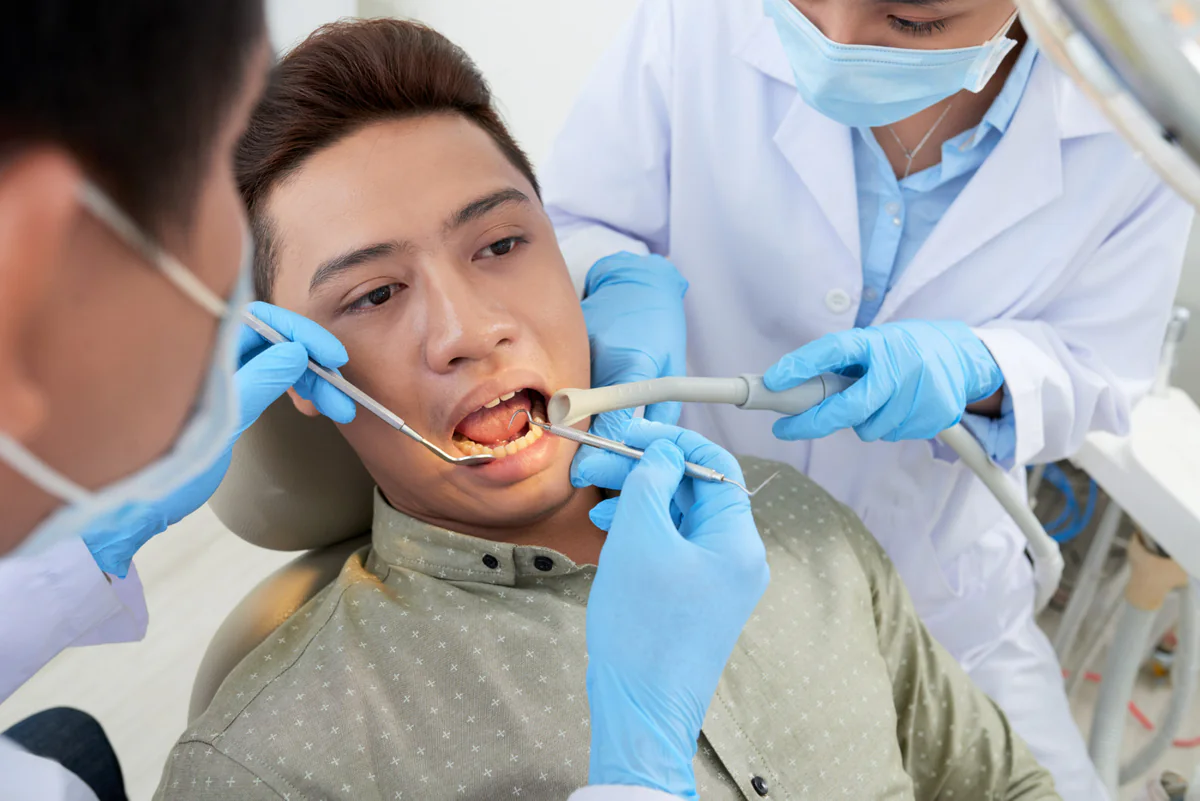
A routine dental check-up assesses your teeth, gums and other areas of your mouth to identify concerns that may need monitoring or treatment.
Medical and Dental History Review
Your dentist may ask about your symptoms, medications, health conditions and previous dental treatment.
Teeth and Gum Examination
Your teeth are checked for decay, cracks, wear and damaged restorations, while your gums are assessed for bleeding, swelling, recession and tartar build-up.
Bite and Jaw Assessment
Your dentist may check for signs of teeth grinding, uneven tooth wear or jaw joint problems.
Soft Tissue Screening
Your tongue, cheeks, lips and other soft tissues are examined for unusual changes that may require further assessment. Malaysia's Ministry of Health recommends oral cancer screening for adults aged 18 and above who attend outpatient dental clinics and outreach programmes.
Dental X-Rays When Needed
X-rays may be recommended when your dentist needs additional information about areas that cannot be fully assessed during a visual examination.
Discussion of Findings
Your dentist will explain the findings and advise whether any areas need monitoring, preventive care or further treatment.
Why Are Regular Dental Check-Ups Important?

Regular dental check-ups help your dentist assess your current oral health, monitor changes over time, and identify problems that may need preventive or restorative care.
How Often Should You Have a Dental Check-Up?

There is no fixed dental check-up schedule that suits everyone. While six-monthly visits are common, your dentist may recommend a shorter or longer interval based on your oral health.
According to the NHS, routine check-ups for adults may be scheduled anywhere from every 3 months to every 2 years. People with healthy teeth and gums may need less frequent visits, while those at higher risk of dental problems may need to be checked more often.
Your recommended check-up interval may depend on factors such as:
- Current condition of your teeth and gums
- History of tooth decay or gum problems
- Risk of developing future dental problems
- Any areas your dentist needs to monitor
At Tooth Buddy Dental Clinic, your dentist can assess your oral health and advise when you should return for your next routine check-up based on your individual needs.
If you develop tooth pain, swelling or another dental problem between visits, arrange an earlier appointment rather than waiting for your next scheduled check-up.
Signs You Should Not Wait Until Your Next Dental Check-Up

Routine check-ups are important, but some dental problems should be assessed sooner. Arrange a dental appointment if you experience:
- Persistent toothache or pain when biting
- Swelling of the gums, face or jaw
- A broken, cracked or chipped tooth
- A loose adult tooth
- Persistent bleeding or swollen gums
- A filling, crown or other restoration that becomes loose or damaged
- An ulcer, lump or unusual change in the mouth that does not heal
You do not need to wait for your next scheduled check-up if you notice a new or worsening dental problem.
What Happens If You Skip Regular Dental Check-Ups?
Skipping regular dental check-ups may allow dental problems to progress without being noticed, especially when they do not cause symptoms in the early stages.
If decay is left untreated, it can progress and may eventually require more involved treatment, such as root canal treatment or extraction.
Gingivitis can often be reversed with good oral hygiene and professional care, while periodontitis can cause permanent damage to the tissues and bone supporting the teeth.
Tartar cannot be removed effectively by normal brushing and flossing and usually requires professional cleaning.
Untreated problems may later lead to pain, swelling or infection and require more urgent care.
More advanced dental problems may require more complex treatment, which can also cost more to manage.
Dental Check-Up vs Dental Scaling: What’s the Difference?
A dental check-up assesses the health of your teeth, gums and mouth, while dental scaling removes plaque and hardened tartar from the teeth. They may be done during the same visit, but they serve different purposes.
| Dental Check-Up | Dental Scaling |
|---|---|
| Assesses your oral health | Removes plaque and hardened tartar |
| Checks for decay, gum problems and other concerns | Removes tartar that regular brushing and flossing cannot remove |
| Helps determine whether monitoring or treatment is needed | Helps maintain gum and oral hygiene |
Your next check-up starts here
Keep Your Oral Health on Track with Tooth Buddy
Regular dental check-ups help you stay aware of changes in your teeth and gums and address dental concerns before they become more difficult to manage. Your dentist can also recommend how often you should return based on your individual oral health needs.

At Tooth Buddy Dental Clinic, routine check-ups include an assessment of your teeth, gums, bite and oral tissues. If further care is needed, Tooth Buddy also provides services such as scaling, fillings, digital dental X-rays and other dental treatments.
Tooth Buddy is conveniently located across Selangor, with clinics in Banting, Quayside Mall, Dengkil, Semenyih, Bandar Sungai Long and Jenjarom, making it easier to arrange dental care at a location that suits you.
Frequently Asked Questions
Why are regular dental check-ups important?
Regular dental check-ups help identify problems such as tooth decay, gum issues, damaged restorations and other changes before they become more difficult to manage.
Do I need a dental check-up if my teeth do not hurt?
Yes. Some dental problems may not cause noticeable symptoms in their early stages, which is why routine examinations are still important even when your teeth feel fine.
How often should I have a dental check-up?
There is no fixed schedule for everyone. While six-monthly visits are common, your dentist may recommend shorter or longer intervals depending on your oral health and risk of dental problems.
Is a dental check-up the same as dental scaling?
No. A dental check-up assesses the health of your teeth, gums and mouth, while dental scaling removes plaque and hardened tartar from the teeth. They may be done during the same visit, but they serve different purposes.
Do I need dental X-rays at every check-up?
Not necessarily. Dental X-rays may be recommended when your dentist needs additional information about areas that cannot be fully assessed during a visual examination.
When should I see a dentist before my next scheduled check-up?
Arrange an earlier dental appointment if you develop symptoms such as persistent toothache, swelling, a broken tooth, a loose adult tooth, bleeding or swollen gums, or an unusual change in the mouth that does not heal.